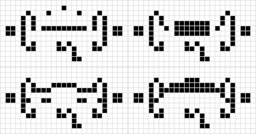
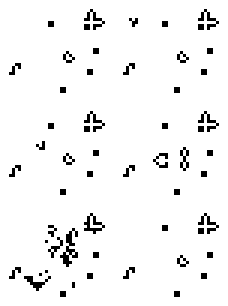
I was inspired by the wiki the other day to look at oscillators which are width 1 in (at least) one phase. p1 is obviously impossible and p2 is known to exist (blinker e.g.). The wiki says p3, p5, and p7 are all known to not exist. Simple LLSSS searches set up like...
Code: Select all
$ cat p09.in
| ........... | ........... | ........... | ........... | ........... | ........... | ........... | ........... | ........... |
| ........... | ........... | ........... | ........... | ........... | ........... | ........... | ........... | ........... |
$ cat p09.cstr
| W.......... | WW......... | WWW........ | WWWW....... | WWWWW...... | WWWWWW..... | WWWWWWW.... | WWWWWWWW... | WWWWWWWWW.. |
$ rlife llsss p09 p09.in --left-edge odd --constraint grid_loop:p09.cstr --filters wcaf
...
...are able to verify no p3 (trivial), p5 (trivial), and p7 (trivial), as well as rule out p9 (2.65 GB, ~10s on laptop) and p11 (156.99 GB, ~35m on beefier machine).
Slightly weirder searches set up to start with arbitrary p2 boundary but then continue into the first non-p2 row...
Code: Select all
$ cat p08.in
| 4444444444 | 4444444444 | 4444444444 | 4444444444 | 4444444444 | 4444444444 | 4444444444 | 4444444444 |
| 4444444444 | 4444444444 | 4444444444 | 4444444444 | 4444444444 | 4444444444 | 4444444444 | 4444444444 |
$ cat p08.cstr
| W......... | WW........ | WWW....... | WWWW...... | WWWWW..... | WWWWWW.... | WWWWWWW... | WWWWWWWW.. |
$ cat p08.bad
| 4444444444 | 4444444444 | 4444444444 | 4444444444 | 4444444444 | 4444444444 | 4444444444 | 4444444444 |
| 4444444444 | 4444444444 | 4444444444 | 4444444444 | 4444444444 | 4444444444 | 4444444444 | 4444444444 |
| 4444444444 | 4444444444 | 4444444444 | 4444444444 | 4444444444 | 4444444444 | 4444444444 | 4444444444 |
$ rlife llsss p08 p08.in --left-edge odd --constraint grid_loop:p08.cstr --filters forbid_grid:p08.bad &> p08.log
...
...are able to rule out p4 (trivial), p6 (trivial), p8 (4s on laptop), and p10 (36.95 GB, ~5m on laptop). p12 did not complete within 1 TB.